Discovering the Crucial Applications and Uses of Light Weight Aluminum Foundry in Modern Production
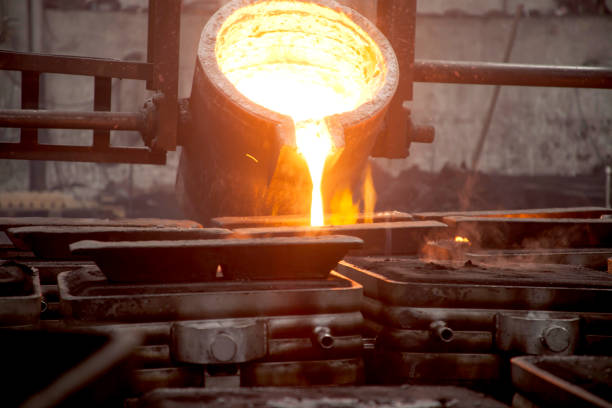
Aluminum factories play an important role in modern manufacturing, serving varied sectors with their one-of-a-kind homes. From vehicle parts that boost fuel performance to aerospace structures that focus on weight, aluminum's adaptability appears. Its applications expand to building and construction and consumer electronic devices, highlighting its toughness and energy efficiency. The innovations in light weight aluminum casting techniques and future trends necessitate a closer evaluation, as they might redefine its influence on manufacturing.
The Function of Aluminum Foundries in Automotive Production
As the automobile market progressively prioritizes light-weight materials to boost fuel efficiency and performance, aluminum foundries have become essential contributors to producing processes. These factories specialize in creating parts that meet the rigorous demands of modern automobiles, such as engine blocks, transmission housings, and structural components. Light weight aluminum's positive residential properties-- such as high strength-to-weight ratio, rust resistance, and superb thermal conductivity-- make it an excellent option for automotive applications.
In addition, light weight aluminum factories make use of advanced spreading strategies, including die casting and sand spreading, to produce complex and long lasting parts. This ability permits makers to optimize styles for performance while reducing weight. Using aluminum also sustains sustainability goals, as it is very recyclable and decreases power consumption in vehicles. By facilitating the combination of light weight aluminum right into auto style, shops play a critical function in shaping the future of the automotive market, promoting efficiency and technology throughout the board.
Aerospace Applications: Lightweight Solutions for Trip
Aluminum foundries play a significant role in the aerospace market, where the demand for light-weight products is critical for boosting fuel efficiency and performance in aircraft. The one-of-a-kind residential or commercial properties of aluminum, including its high strength-to-weight proportion and corrosion resistance, make it a suitable selection for different aerospace parts. These parts include architectural parts, engine cases, and landing gear, which contribute to general airplane performance.
The use of light weight aluminum alloys, specifically those developed with advanced spreading techniques, permits the production of detailed layouts and complex forms while minimizing weight. Additionally, light weight aluminum's recyclability aligns with the aerospace industry's sustainability objectives, lowering environmental influence. With continual innovations in aluminum factory innovations, suppliers can optimize production procedures, resulting in enhanced performance and lowered expenses. As the aerospace industry increasingly focuses on developments that boost efficiency, aluminum shops will certainly stay integral to developing lightweight remedies for modern flight.
Structure and Building And Construction: Enhancing Structural Honesty
In the building and building and construction sector, a significant emphasis is positioned on enhancing architectural integrity with the usage of aluminum. Known for its high strength-to-weight proportion, aluminum gives toughness without compromising on weight, which is essential in modern building layouts. Its resistance to rust better assures durability, making it a suitable product for numerous architectural elements, consisting of beam of lights, frames, and cladding.
Light weight aluminum additionally facilitates cutting-edge layout possibilities, enabling designers and engineers to create aesthetically pleasing frameworks while maintaining safety requirements. The material's flexibility allows its application in both business and household tasks, from skyscrapers to bridges. In addition, developments in light weight aluminum shop techniques have enhanced the precision of light weight aluminum parts, guaranteeing they meet strict building regulations. In general, the combination of light weight aluminum in building not just enhances architectural integrity yet also adds to lasting structure practices, offered its recyclability and energy-efficient manufacturing methods.
Consumer Electronic Devices: The Surge of Light Weight Aluminum in Modern technology
In the domain name of consumer electronic devices, aluminum has actually obtained prestige due to its light-weight layout benefits and remarkable thermal conductivity. This shift not only enhances product mobility however likewise boosts gadget efficiency by properly dissipating warmth. As modern technology continues to develop, the duty of light weight aluminum in producing sleek and efficient gadgets is significantly substantial.
Light-weight Design Benefits
As consumer electronics progress, the need for light-weight yet resilient materials has actually risen, making aluminum a progressively popular selection amongst makers. Its low thickness enables the production of smooth tools that are very easy to utilize and carry, significantly enhancing transportability. The strength-to-weight proportion of aluminum warranties that products can stand up to everyday damage without endangering performance. Furthermore, the malleability of aluminum allows suppliers to make complex forms and types, further contributing to innovative appearances and functionality. This light-weight quality likewise plays an important role in energy effectiveness, as lighter devices need less energy to run. Because of this, aluminum not only fulfills the evolving visual demands however also straightens with the modern concentrate on sustainability in consumer electronic devices.
Thermal Conductivity Conveniences
Thermal conductivity is an essential element in the efficiency of consumer electronic devices, and aluminum master this domain. Its high thermal conductivity permits reliable warmth dissipation, which is vital for maintaining ideal operating temperature levels in gadgets such as mobile phones, laptops, and video gaming consoles. By facilitating quick warm move far from delicate parts, light weight aluminum assists prevent getting too hot, therefore improving efficiency and lengthening device longevity. The light-weight nature of light weight aluminum complements its thermal residential properties, making it an excellent option for portable technology. As makers progressively prioritize performance and power effectiveness, aluminum's role in thermal monitoring ends up being even more substantial, bring about its expanding adoption in modern digital styles. This trend underscores light weight aluminum's relevance in customer electronic devices technology.
Marine Industry: Deterioration Resistance in Harsh Settings
Rust resistance is a vital aspect in the aquatic industry, where devices and frameworks are routinely subjected to rough saltwater settings. Aluminum, specifically in its alloy types, uses significant benefits in this respect. Its all-natural oxide layer supplies a protective barrier that stops rust, making it optimal for vessels, docks, and various other marine applications.
Marine-grade light weight aluminum alloys, such as 5083 and 6061, are particularly designed to stand up to the harsh effects of saltwater and weather. These alloys not just resist deterioration yet additionally preserve structural stability and strength over time. Applications range from hulls and superstructures of ships to elements in offshore systems.
The lightweight nature of aluminum additional enhances its viability, allowing enhanced gas performance and ease of handling - Casting Foundry. As the aquatic market remains to concentrate on resilience and efficiency, light weight aluminum continues to be an essential product selection for standing up to corrosion sought after aquatic setups
Innovations in Light Weight Aluminum Casting Techniques
While traditional light weight aluminum casting approaches have actually served the market well, current technologies are changing the landscape of light weight aluminum manufacturing. Techniques such my response as 3D printing of mold and mildews and cores are getting traction, enabling for quick prototyping and minimized preparations. This development allows makers to produce intricate geometries that were formerly hard to achieve with conventional casting techniques. In addition, advancements in die-casting innovation, consisting of making use of high-pressure die-casting (HPDC), have actually improved the precision and surface finish of actors aluminum components, resulting in enhanced performance in numerous applications.
The fostering of investment spreading has permitted for greater layout freedom and minimized material waste. Technologies in alloy compositions are likewise substantial, as they improve mechanical buildings and rust resistance. Generally, these advancements not only streamline manufacturing procedures but likewise add to more sustainable practices within the light weight aluminum factory market, making it adaptable to the advancing demands of modern-day manufacturing
Future Fads in Light Weight Aluminum Factory Manufacturing
The future of light weight aluminum factory production is poised for substantial transformation via automation, enhancing performance and accuracy in manufacturing processes. Lasting techniques are increasingly becoming a top priority, as factories look for to decrease their environmental effect while meeting growing regulatory needs. Furthermore, innovations in alloy growth will certainly enable the production of more powerful, lighter products tailored for diverse applications, driving technology in the industry.
Automation in Foundry Processes
Sustainable Manufacturing Practices
A growing focus on lasting production practices is improving the future of aluminum shop production. Market leaders are significantly embracing energy-efficient innovations and reusing campaigns to lessen waste and lower carbon impacts. The usage of recycled light weight aluminum considerably lowers energy usage compared to primary aluminum manufacturing, making it a preferred choice for ecologically mindful producers. In enhancement, innovative casting strategies are being established to improve product effectiveness and decrease discharges. Companies are also purchasing renewable resource resources, such as solar and wind, to power their procedures sustainably. aluminum casting company. By incorporating these techniques, the light weight aluminum factory industry not only meets regulative demands yet also replies to customer need for greener products, inevitably leading the way for a much more sustainable manufacturing landscape
Advanced Alloy Growth
Innovations in aluminum alloy advancement are readied to play a substantial role in the future of factory manufacturing, specifically as sustainability and performance needs rise. The sector is progressively concentrating on producing high-strength, lightweight alloys that can hold up against extreme conditions while minimizing environmental impact. Scientists are exploring ingenious make-ups, such as aluminum-lithium and aluminum-scandium alloys, which guarantee enhanced mechanical buildings and minimized weight. In addition, the assimilation of advanced production techniques, including additive production and precision casting, permits even more facility geometries and reduced product waste. As regulatory stress and consumer choices shift linked here towards greener options, the growth of energy-efficient and recyclable alloys will be necessary. The future landscape of light weight aluminum shop production copyrights on these innovations in alloy innovation.

Frequently Asked Inquiries
What Are the Environmental Impacts of Light Weight Aluminum Shop Procedures?
Aluminum shop procedures can cause significant ecological influences, including greenhouse gas discharges, power consumption, and waste generation. Furthermore, inappropriate management of contaminants may lead to soil and water contamination, influencing regional ecosystems and areas.
Just How Does Light Weight Aluminum Recycling Affect Shop Processes?
Aluminum recycling improves factory procedures by providing an economical basic material, lowering energy intake and exhausts. This lasting practice increases effectiveness, reduces waste, and sustains the round economic climate, profiting both producers and the atmosphere.
What Precaution Are Applied in Light Weight Aluminum Foundries?
Aluminum shops implement various security measures, consisting of individual protective tools, correct air flow systems, routine safety and security training, fire avoidance procedures, and equipment upkeep treatments to decrease risks and assure a secure functioning atmosphere for all staff members.
How Do Foundries Guarantee Quality Assurance in Aluminum Spreading?
Shops ensure quality assurance in aluminum spreading via extensive material inspections, exact temperature level monitoring, standard treatments, and regular testing of actors products. These actions assist maintain uniformity, reduce flaws, and satisfy industry requirements successfully.
What Are the Expense Factors in Light Weight Aluminum Factory Production?
Expense consider light weight aluminum foundry manufacturing include basic material costs, energy intake, labor prices, tools upkeep, and overhead expenditures. Furthermore, production quantity and intricacy of layouts greatly influence overall production expenses and success.
As the automotive sector significantly prioritizes light-weight materials to boost fuel performance and efficiency, aluminum factories have actually become crucial factors to making procedures. Light weight aluminum shops play a substantial function in the aerospace industry, where the need for light-weight materials is vital for improving gas effectiveness and efficiency in airplane. Additionally, developments in aluminum factory strategies have actually boosted the precision of aluminum elements, ensuring they satisfy stringent building codes. While typical light weight aluminum casting methods have actually served the industry well, current developments are transforming the landscape of light weight aluminum manufacturing. The use Web Site of recycled light weight aluminum significantly decreases energy intake compared to key light weight aluminum manufacturing, making it a preferred selection for environmentally mindful producers.